
Foraminifera LabDead Sea & Arava Science Center
Reading the health of the sea in single-celled shells
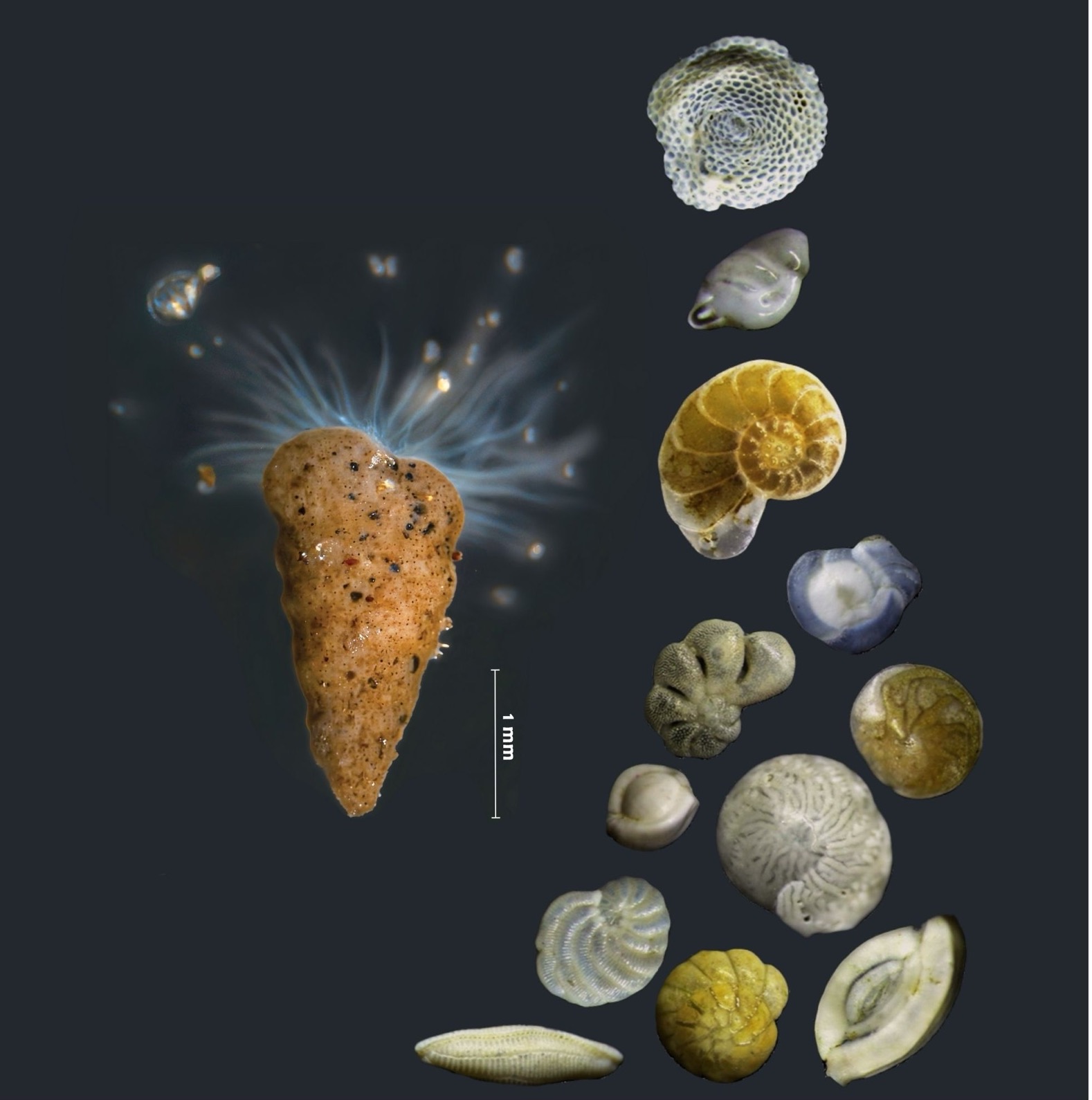
We study benthic foraminifera as bioindicators of climate change, tropicalization and pollution — in today’s Mediterranean and Red Sea, and in the oceans of the past.
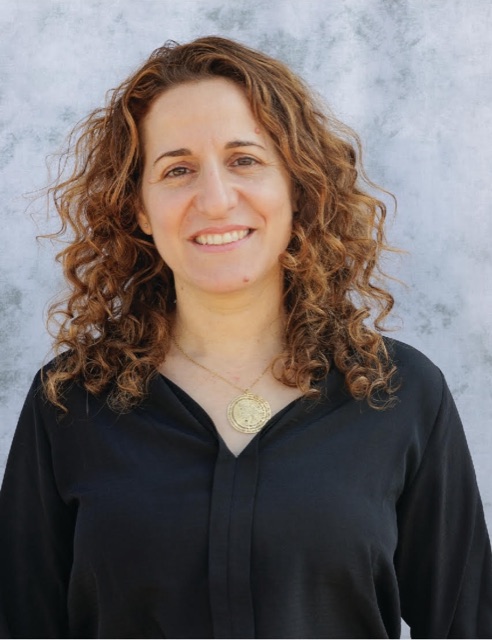
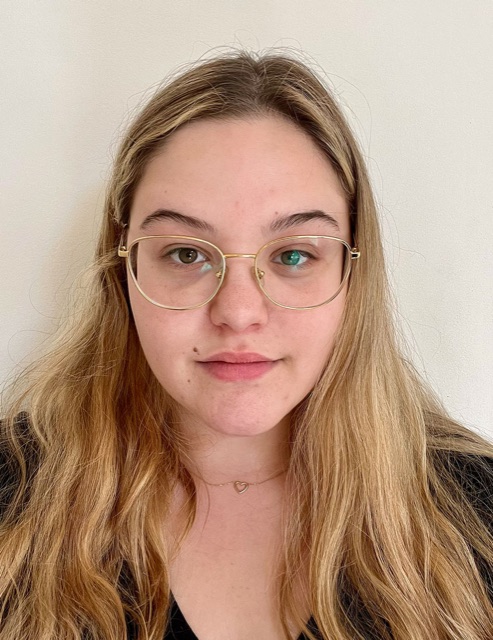
Led by Dr. Sarit Ashckenazi-Polivoda
Senior Lecturer (adjunct), Ben-Gurion University of the Negev, Eilat Campus · Head of the Foraminifera Lab, Dead Sea & Arava Science Center
Dr. Sarit Ashckenazi-Polivoda’s research focuses on benthic foraminifera as sensitive bioindicators of environmental change in marine ecosystems. The research investigates modern and ancient foraminiferal communities to assess ecological responses to natural variability and anthropogenic stressors.
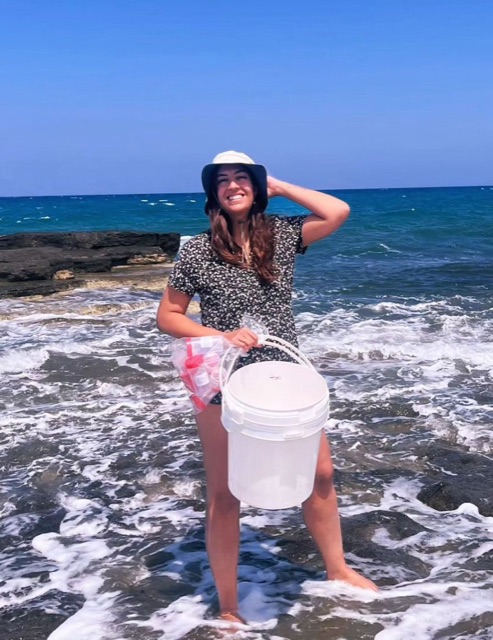
The work aims to reconstruct past ocean conditions, monitor present-day ecosystem health, and contribute to the sustainable management of coastal and marine environments. Current projects focus on Mediterranean and Red Sea coastal habitats, including seagrass meadows and rocky shores.
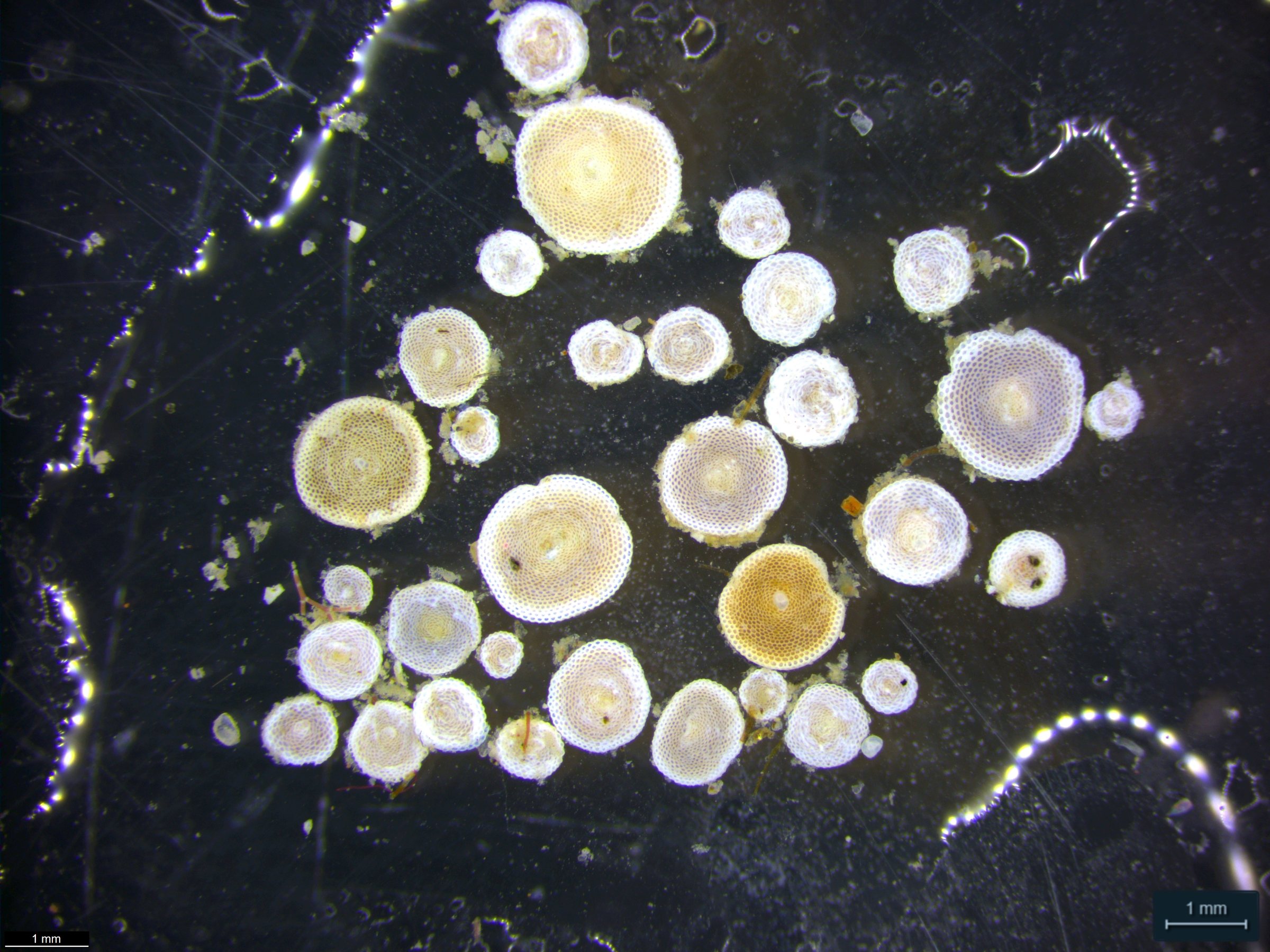
Foraminifera as bioindicators of a changing sea
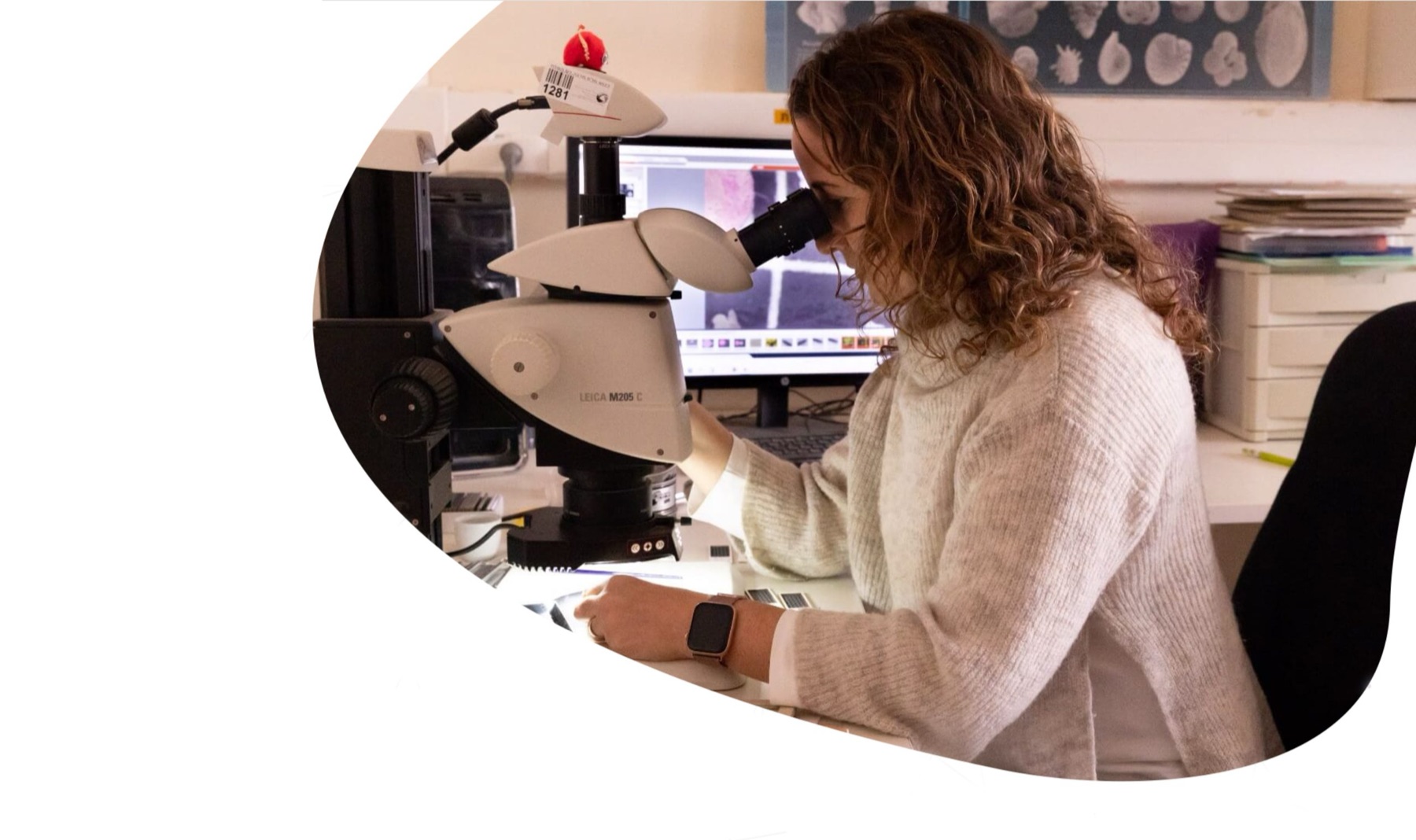
From field sampling to microscopy, geochemistry and data analysis, we use foraminifera to measure environmental conditions and human impact.
Foraminifera bioindicators
We explore the power of foraminifera to reveal critical insights into marine environments — both past and present.
- Trace metals & pollution detection
- Monitoring coastal ecosystem health
- Sediment & water quality analysis
- Climate change indicators
Marine ecosystem studies
Our research extends beyond foraminifera, examining the broader dynamics of seagrass meadows, coral reefs, and other habitats.
- Seagrass meadows (e.g., Halophila stipulacea)
- Coral reef health & biodiversity
- Anthropogenic impacts (urban development, aquaculture)
- Conservation & restoration strategies
Past oceans
Fossil foraminifera record how oceans responded to past climate shifts — a baseline for understanding today’s changes.
- Late Cretaceous upwelling systems
- Low-oxygen environments
- Ocean freshening & acidification events
- The end-Cretaceous mass extinction
AI Biomonitoring for Marine Sustainability
Our AI-driven foraminiferal biomonitoring system accelerates ecological research, giving researchers and stakeholders faster, more accurate monitoring data for addressing environmental challenges.
- High-resolution stereomicroscope imaging
- Machine-learning species identification
- A growing global image dataset
Recent publications
Biogeochemical dichotomy and intra-order variability in Miliolid and Rotaliid foraminifera
Read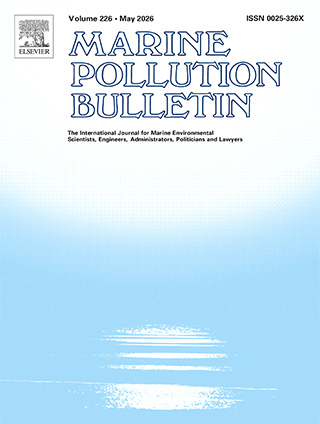
Large benthic foraminifera as recorders of fine-scale coastal elemental variability
Read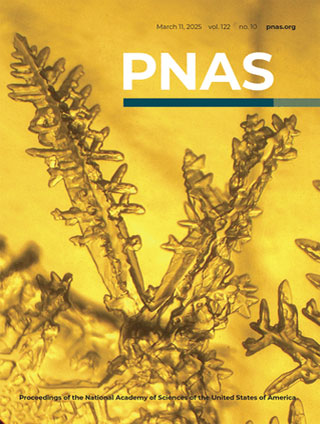
A cosmopolitan calcifying benthic foraminifera in agglutinated disguise as a geochemical recorder of coastal environments
Read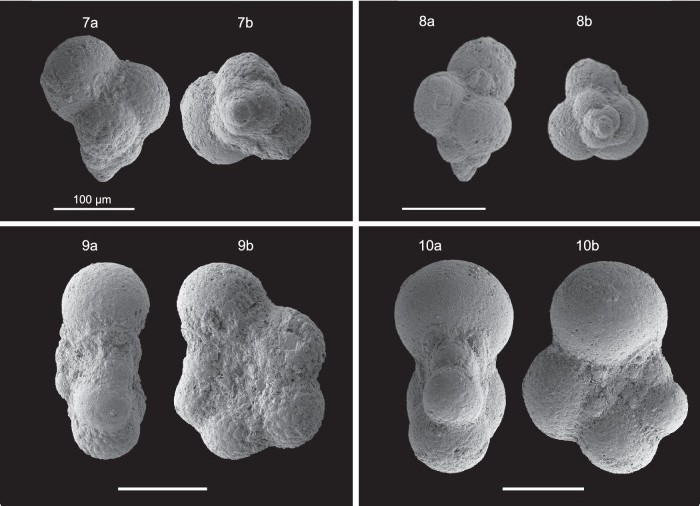
Ocean freshening near the end of the Mesozoic
ReadSeagrass as a stabilizing environment for benthic foraminifera living in anthropogenically impacted coastal areas
Read
A dynamic subtropical coastal hotspot of benthic foraminifera in the Southeastern Mediterranean indicates early-stage tropicalization
Read
A matter of choice: Understanding the interactions between epiphytic foraminifera and their seagrass host Halophila stipulacea
ReadOrbitally paced bottom-water acidification episodes linked to the late Maastrichtian warming event: Calcareous nannofossil evidence in the Hor Hahar section, Israel.
ReadTools from the lab
Software we built for our own fieldwork and microscopy, shared with the community.
Species cards
An illustrated, searchable collection of benthic foraminifera — morphology, ecology, taxonomy checked against WoRMS, and the lab’s papers on each species.
Explore the speciesField map
Every sampling station around Cyprus and the Red Sea with field notes, photos and video, organised by sampling event.
Open the field mapCounter
A fast counting tool for picking and counting foraminifera under the microscope, synced across devices.
Start countingAI Biomonitoring
Automated foraminifera identification from stereomicroscope images, built to make biomonitoring faster and more consistent.
About the project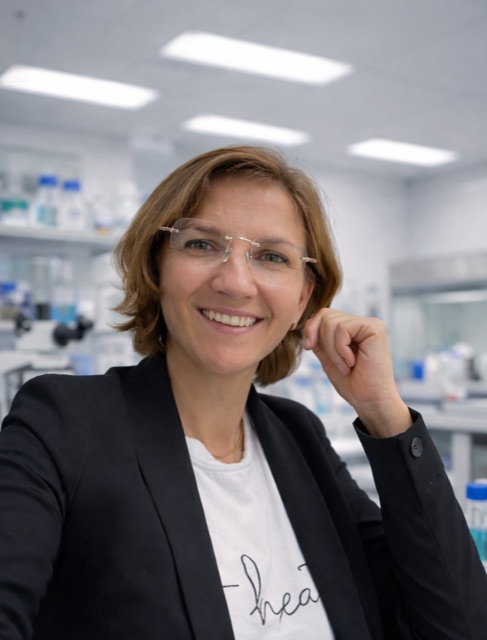
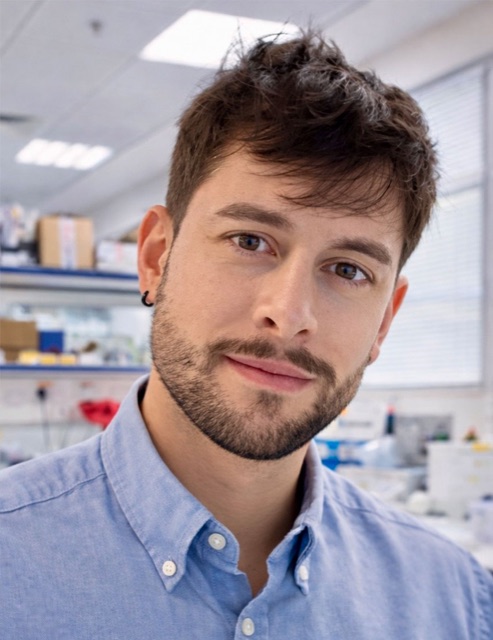
The lab is part of the Dead Sea & Arava Science Center, under the auspices of Ben-Gurion University of the Negev.
Israel Science FoundationGrant No. 961/23 supports the lab’s research. See the publications it funded.
Work with usWe partner with universities, research centers, educators and community initiatives. Bring a dataset, a question or a project idea.
Contact us
Chief Scientist
Dr Sarit Ashckenazi-Polivoda
sarit@adssc.org
Office:
+972 8-658-1653
Lab Manager
Yuli Devin
yulidevin@adssc.org
We are on social media: